
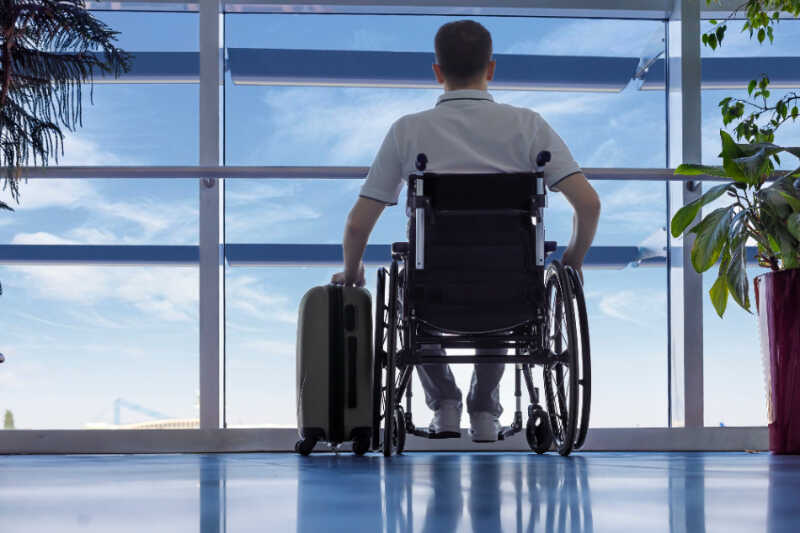
Traveling can be stressful for anyone, but flying with a disability or assisting a loved one who has one brings its own unique challenges. Fortunately, there are laws, services, and helpful tools to make air travel more accessible and enjoyable. Whether you’re navigating security checkpoints, requesting special assistance, or choosing a seat, innovative solutions like the PRM Transfer Lift are making air travel more inclusive and dignified, improving the experience for passengers with disabilities across the globe.
Understanding Your Rights as an Airline Passenger with a Disability
Flying with a disability doesn’t mean sacrificing comfort or dignity. Passengers with disabilities are protected by laws and regulations designed to ensure equality and accessibility.
The Air Carrier Access Act: Know Your Rights
The Air Carrier Access Act (ACAA) is your strongest ally in handicapped air travel. This important law prohibits discrimination against passengers with disabilities by commercial airlines operating within, to, or from the United States. Here’s what it guarantees for passengers with disabilities:
- Airlines must provide equal access to services and facilities for all passengers.
- The ACAA applies to flights on U.S. airlines, as well as foreign airlines flying within U.S. airspace.
- Airlines must implement reasonable accommodations, like specialized boarding assistance, seating requests, and more.
- The Department of Transportation enforces this law, ensuring that any complaints or violations are properly addressed.
Preparing for Your Flight
Preparation is key, whether you’re a seasoned traveler or this is your first flight. Understanding how to arrange assistance and select seating can take the stress out of the travel process.
Requesting Special Assistance
When flying with a disability, many airlines offer specialized services to meet your needs. It’s essential to notify the airline as early as possible to ensure help is ready when you need it. Here’s how to arrange special assistance:
- Request assistance online during booking or call the airline’s designated assistance line for passengers with disabilities.
- For help during security screenings, reach out to TSA Cares at (855) 787-2227, a service designed to guide travelers through the screening process.
- Confirm your request 24-48 hours before departure to avoid last-minute confusion.
- Be clear about your needs—whether it’s wheelchair assistance, personal mobility concerns, or other accommodations.
Choosing the Right Seat
Your seat can significantly influence your in-flight comfort. Airlines must provide seating accommodations to passengers who identify their special needs. This may include offering seats close to restrooms or near the front for easier boarding and deplaning.
- Airlines often use a block, priority, or preboarding method to assign seats to passengers with disabilities.
- Indicate your seating preference while booking or call the airline’s reservation team for help.
Your seat choice should focus on what makes you most comfortable during the flight while respecting the airline’s guidelines.
Traveling with Assistive Devices and Service Animals
Flying with assistive equipment and service animals can feel like an added challenge, but policies are in place to support travelers and make the process much smoother.
Flying with a Service Animal
Service animals provide essential assistance and are protected under the ACAA. Airlines allow service animals within the cabin, but these policies come with certain expectations:
- Service animals, typically dogs, must be trained to perform tasks related to the disability.
- Proper forms may be required to verify health, behavior, and training.
- Animals must remain calm and behave appropriately during the flight.
Be sure to notify the airline ahead of time when flying with a service animal to make all necessary arrangements.
Traveling with Assistive Devices
Assistive devices, such as wheelchairs, canes, or communication aids, are necessities for many. Airlines are required to accommodate these items free of charge:
- Personal wheelchairs may be stowed in the cabin when space permits or otherwise placed in the cargo hold.
- Mobility aids must always follow safety regulations.
Innovations like the PRM Transfer Lift are transforming the air travel experience by enabling ergonomic and efficient transfers for passengers with reduced mobility, minimizing stress for both passengers and crew.
Airport Accessibility
Accessibility doesn’t stop at the aircraft. Airports must meet the standards of passengers with disabilities to ensure a smooth and accessible experience from start to finish.
Accessible Airport Facilities
Both airlines and airport operators are responsible for ensuring accessible facilities. This includes accessible restrooms, pathways, signage, and more. Airlines specifically oversee facilities they own or control within the terminal.
Assistance at Airports
If you require physical assistance, you have the right to receive prompt and trained help from airline personnel. This includes:
- Moving between the curb and the departure gate.
- Assistance with making flight connections.
- Support navigating from the arrival gate to the curb or baggage claim.
Always request airport assistance alongside your special accommodations when booking.
Security Checkpoints and Boarding
Navigating TSA screenings and boarding the aircraft is an essential part of your trip—and one where assistance services can alleviate many concerns.
Navigating Security Checkpoints
The Transportation Security Administration (TSA) ensures the safety of all passengers, including those flying with disabilities.
- TSA officers are trained to assist people with disabilities during security screenings.
- To minimize delays, communicate your needs to TSA officers, especially if you’re traveling with medical devices or require pat-down screenings.
The TSA’s assistance program helps guide travelers through the process, minimizing confusion at the security checkpoint.
Boarding the Aircraft
Airlines must prioritize the boarding of passengers with disabilities, providing additional time and mobility support if needed. Policies include:
- Preboarding for individuals who identify as needing extra assistance.
- Support with seating arrangements, stowing accessibility devices, and accessing essential onboard areas.
Products like the PRM Transfer Lift ensure greater safety and comfort during the boarding process, making it a confidence-building feature for passengers and airline crews alike.
In-Flight Accommodations
Once onboard, accessibility is just as important. Today, airplanes provide features that make flights more enjoyable for passengers with disabilities.
Accessible Aircraft Features
Under ACAA regulations, many aircraft must offer features to improve the in-flight experience, such as movable aisle armrests, onboard wheelchairs, and designated storage spaces for mobility devices. Confirm these features with your airline ahead of your flight so you understand what assistance and accommodations are provided onboard.
Resolving Disability-Related Issues
If you encounter problems or feel your needs aren’t met, here’s how to handle the situation effectively:
- Airlines are required to provide a Complaint Resolution Official (CRO) to address your concerns immediately.
- If the issue isn’t remedied, you can file a complaint with the airline or the U.S. Department of Transportation.
Accessible travel rights are non-negotiable, and it’s important to advocate for yourself if you’re unsatisfied.
Frequently Asked Questions about Flying with Disabilities
Here are answers to common questions that may help clarify your air travel plans:
Can a paraplegic fly on an airplane?
Yes, airlines provide assistance to passengers with mobility impairments, including boarding, deplaning, and in-flight accommodations.
Is TSA PreCheck free for people with disabilities?
No, TSA PreCheck is not free for people with disabilities. U.S. citizens and lawful permanent residents can apply for TSA PreCheck benefits for $85, which is valid for five years.
Which airline is the most disability friendly?
Many travelers consider Delta, Southwest, and JetBlue as disability-friendly airlines due to their comprehensive accessibility programs.
What disabilities qualify you for preboarding?
Disabilities that limit mobility or require extra time and assistance qualify for preboarding, such as reduced mobility or sensory impairments.
What qualifies as a disability for flights?
Any condition that significantly impairs a major life activity, such as mobility challenges, cognitive impairments, or sensory disabilities, qualifies.
Is there any discount for disabled people in flight?
Airlines do not typically offer discounts for passengers with disabilities. However, some countries or organizations may help provide financial assistance.
Can an airline ask for proof of disability?
Airlines cannot ask for proof of disability for most services but may request verification for using service animals or certain accommodations.
How do you fly if you are handicapped?
Notify the airline in advance about your needs, arrange for assistance, bring necessary medical equipment, and request preboarding if needed.
What qualifies as a disability for airlines?
Conditions that affect mobility, sensory perception, or other abilities central to daily functioning qualify as disabilities for airline accommodations.
Do disabled passengers get priority boarding?
Yes, passengers identifying as needing extra time or assistance are granted priority boarding.
Do disabled people get priority boarding?
Yes, passengers with disabilities are typically allowed to preboard to ensure a safe and comfortable start to their flight.
What is the American Disabilities Act for airline travel?
The Air Carrier Access Act (ACAA), not the ADA, governs accessibility in air travel and prohibits discrimination against passengers with disabilities.
How do you take a disabled person on a plane?
Contact the airline to arrange assistance, ensure their needs are communicated (such as seating or mobility aid storage), and help them stay comfortable during the flight.
A Final Thought
Flying with a disability can be empowering when you have the right resources at your disposal. With the support of laws like the ACAA, airport assistance, and tools like the PRM Transfer Lift, travelers can enjoy a dignified and inclusive experience.
By planning ahead, knowing your rights, and utilizing available innovations, you can turn air travel into an easier, worry-free adventure for you or your loved ones.